
Menopause Management Sheffield
Consultant urogynaecologist-led care for menopause
clear diagnosis, personalised treatment, and expert surgery when needed
Menopause Management Sheffield involves diagnosing and treating symptoms such as hot flushes, poor sleep, anxiety, brain fog and vaginal dryness. This page explains your treatment options, including HRT and non-hormonal approaches, with personalised consultant-led care in Sheffield.
Menopause Management Sheffield — What You Need to Know
Menopause can affect your daily life, sleep, mood and confidence. The right treatment depends on your symptoms, medical history and preferences. A structured approach helps you feel better safely and quickly.
This service provides specialist menopause management in Sheffield, with a personalised, evidence-based plan that actually improves symptoms — not just reassurance.
👉 The aim is simple: reduce symptoms, improve quality of life, and give you a clear, safe plan.

✔ Clear diagnosis of perimenopause or menopause
✔ Safe, tailored HRT advice
✔ Non-hormonal options if needed
✔ Treatment for vaginal, bladder and sexual symptoms
✔ Consultant-led care, not protocol-driven
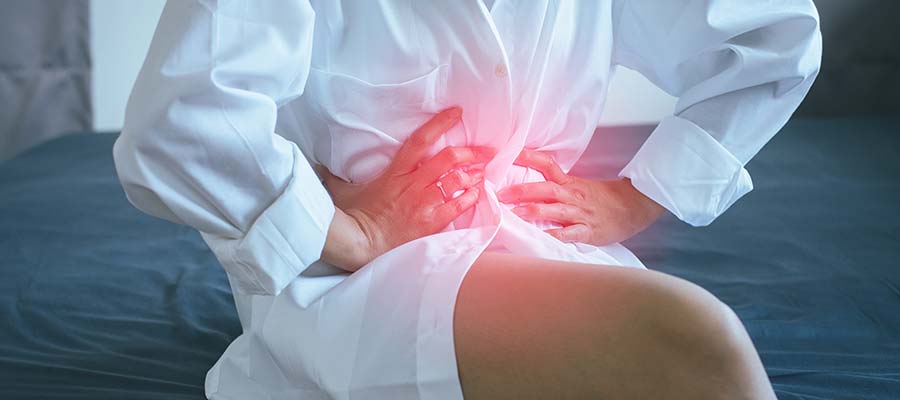
Menopause is usually diagnosed from symptoms and age rather than blood tests in many women.
Menopause symptoms can overlap with pelvic floor problems and prolapse
Are you struggling with menopause symptoms?
You may benefit from an assessment if you have:
- hot flushes or night sweats
- poor sleep or fatigue
- anxiety, irritability or low mood
- brain fog or poor concentration
- irregular periods in your 40s
- vaginal dryness, discomfort or painful sex
- reduced libido
- recurrent urine infections or bladder irritation
- joint aches or reduced wellbeing
- symptoms after hysterectomy or cancer treatment
- early menopause or premature ovarian insufficiency concerns
What menopause managment involves
Menopause management in Sheffield includes diagnosis and risk assessment, HRT advice, non-hormonal treatment and personalised care for symptoms such as hot flushes, sleep disturbance, anxiety, brain fog and vaginal dryness.
👉 Not one-size-fits-all — tailored to symptoms and goals.


Types of HRT
- transdermal (patch/gel) → lower clot risk
- oral tablets
- oestrogen-only (after hysterectomy)
- combined therapy
HRT: Clear and practical advice
What you actually need to know
HRT is:
- the most effective treatment for hot flushes and night sweats
- helpful for sleep, mood and quality of life
- often underused due to confusion and misinformation
HRT is NOT:
- mandatory
- suitable for everyone
- the only option

Who should not take HRT
HRT may not be suitable if you have:
- active or past breast cancer (specialist advice required)
- unexplained vaginal bleeding
- high clotting risk
- uncontrolled cardiovascular disease
👉 This is where specialist input matters — not generic advice.
What are the non-hormonal options
If HRT is not suitable or not wanted
Options may include:
- non-hormonal medications for hot flushes
- CBT for menopause-related symptoms
- vaginal oestrogen (local, low risk)
- lifestyle optimisation
👉 Reality: lifestyle alone is rarely enough for moderate–severe symptoms

Vagina and bladder symptoms
Often ignored — but highly treatable
Menopause commonly causes:
- vaginal dryness
- burning or irritation
- pain during sex
- urinary urgency or frequency
- recurrent UTIs
These symptoms:
✔ are common
✔ worsen over time if untreated
✔ respond very well to treatment
Why see a Consultant Gynaecologist
Not all menopause care is equal
You should consider specialist care if:
- symptoms are severe
- HRT advice is unclear or conflicting
- you have bleeding, fibroids, prolapse or pelvic pain
- previous treatment hasn’t worked
- you want a clear, structured plan
This is consultant-led menopause care, not a protocol clinic.
Frequently Asked Questions
Irregular periods, sleep problems, mood changes and hot flushes in your 40s suggest perimenopause.
Changes in periods are usually the first sign, followed by hot flushes and sleep disturbance.
Yes. Anxiety, low mood and poor concentration are common and treatable.
HRT is the most effective treatment for symptoms, but alternatives are available.
For most women under 60, HRT is safe when prescribed appropriately.
Yes. Many women start HRT during perimenopause if symptoms are significant.
Symptoms typically last 4–8 years but can vary widely.
Yes. It is common and very treatable.
If symptoms are severe or unclear, specialist advice helps.
Book a Private menopause care in Sheffield
“You do not need to tolerate poor sleep, anxiety, hot flushes or discomfort. Effective treatment exists — the key is choosing the right one for you.”
Spire Claremont Hospital
Sheffield
Book appointment online
Circle Thornbury Hospital
Sheffield
Book appointment online
Frequently Asked Questions
Vaginal prolapse happens when the support structures of the pelvic floor weaken and one or more pelvic organs, such as the bladder, uterus or bowel, drop down into the vagina.
Common symptoms include a feeling of heaviness or dragging, a bulge in the vagina, discomfort, bladder problems, bowel problems, and symptoms that are often worse after standing for long periods.
Yes. Many women improve with pelvic floor physiotherapy, lifestyle changes, vaginal oestrogen, or a pessary. Surgery is usually considered when symptoms are more severe or conservative treatment has not helped enough.
You should see a specialist if you feel a vaginal bulge, have ongoing heaviness or pressure, or have bladder or bowel symptoms that are affecting your daily life.
No. Surgery is not always needed. Treatment depends on the type of prolapse, the severity of symptoms, and your own preferences.
Possible operations include vaginal wall repair, uterine-preserving surgery, hysterectomy in selected cases, and surgery to support the top of the vagina if needed.
Yes, prolapse can return, especially over time, but the risk depends on the type of prolapse, tissue strength, previous childbirth history, and the treatment used.
You can book a private consultation to discuss your symptoms, diagnosis, and treatment options, including non-surgical care and surgery if appropriate.